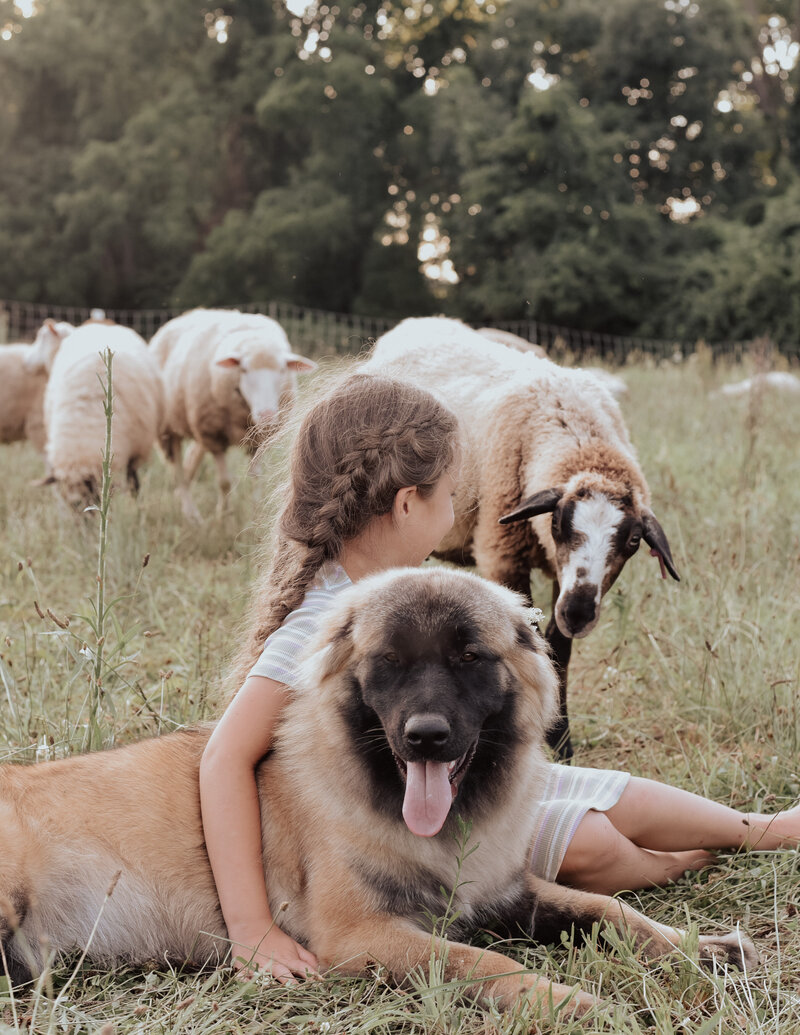
Estrela Mountain Dogs: What Serious Owners Need to Know Before Choosing the Breed

An Estrela Mountain Dog is an ancient livestock guardian breed developed to think independently, protect territory, and make judgment calls without human direction.
This breed is best suited for Estrela Mountain Dog owners who value calm authority, structure, and long-term commitment—not constant obedience or social ease. Estrela Mountain Dogs are a lot of dog for first-time dog owners, trend-driven homes, or people seeking an easygoing family pet. This page exists to help you decide responsibly, not to convince you to own one.
Estrela Mountain Dog Ownership: At-a-Glance Reality Check
| Category | What to Know Before Choosing the Breed |
|---|---|
| Breed Purpose | Ancient livestock guardian bred for independent judgment and territorial protection |
| Temperament | Calm, reserved, observant, selectively protective |
| Bonding Style | Deep loyalty to one household, slow-building trust, subtle affection |
| Good for Families? | Yes, with structure and leadership; not suited for chaotic homes |
| Stranger Behavior | Naturally suspicious but controlled when boundaries are clear |
| Training Style | Relationship-based leadership; structure over obedience drills |
| Activity Level | Moderate, purposeful movement rather than constant exercise |
| Space Needs | Defined territory matters more than total acreage |
| Fencing Required | Yes; physical fencing is strongly recommended |
| Socialization Needs | Neutral exposure, not constant interaction |
| Best Environments | Rural, farm, estate, or well-managed private properties |
| Common Owner Mistakes | Over-socializing, weak boundaries, expecting eager obedience |
| Experience Required | Confident leadership matters more than dog experience |
| Longevity | Typically 12–15 years with responsible breeding and care |
| Right for You If… | You value stability, boundaries, and quiet loyalty |
| Not a Good Fit If… | You want an easygoing, highly social, people-pleasing dog |
What an Estrela Mountain Dog Is — And What It Is Not
A Working Guardian First
The Estrela Mountain Dog is a true landrace guardian, shaped over centuries by function rather than fashion. These dogs were developed to live with livestock, assess threats independently, and act without waiting for instruction. They can function as family guardians but their heritage should be respected.
Their intelligence is situational and judgment-based, not obedience-driven. Protection of territory and those within it is the purpose of the breed—obedience sports, constant handler direction, and repetitive command work were never part of their original design.
Not a “Giant Pet Breed”
Estrelas are often incorrectly grouped with other large guardian or mastiff-type dogs, which leads to poor expectations. While breeds like Great Pyrenees or Anatolians may share surface similarities, the Estrela’s balance of reserve, discernment, and emotional control is distinct.
Assuming that size equals temperament—or that calm equals friendliness—sets owners up for frustration. An Estrela may tolerate strangers politely, but it does not exist to welcome everyone, and it should not be expected to.
Why the Breed Feels “Different” to Owners
Many first-time Estrela owners describe the breed as “quiet,” “watchful,” or “present.” This comes from emotional reserve and constant environmental awareness rather than detachment. Estrela’s observe before they engage, evaluate before they act, and form trust slowly. That trust, once earned, is profound and enduring. This delayed bond is not a flaw—it is a defining feature of a dog bred to protect thoughtfully, not react impulsively.
Temperament Reality: Calm, Reserved, and Selectively Protective
How Estrelas Bond With Their People
Estrela Mountain Dogs form deep, lasting bonds, but they do so deliberately. Their loyalty usually centers on one household rather than extending freely to everyone they meet. This slow-building attachment reflects how the breed evaluates consistency, leadership, and emotional stability over time.
Affection from an Estrela looks quiet and grounded. They show devotion through steady presence, watchfulness, and choosing to stay close, not through constant touching or attention-seeking. Owners who understand the breed learn to recognize commitment without needing it to be outward or demanding.
Stranger Awareness vs Aggression
A well-bred Estrela does not react impulsively. Instead, the dog stays alert, observant, and measured when encountering unfamiliar people. Natural suspicion serves a purpose in a livestock guardian breed. It allows the dog to assess a situation before deciding whether action is necessary.
Problems appear most often when owners fail to provide clear boundaries, structure, and leadership. Without guidance, the dog is forced to make decisions too early or too often, and measured awareness can slide into reactivity. This is not a flaw in the breed. It is a response to unmanaged responsibility. True aggression is uncontrolled and emotional. Proper guardian behavior remains thoughtful, restrained, and proportional to the situation.
With Children, Guests, and Extended Family
Estrela Mountain Dogs can remain calm and dependable around children and familiar visitors when the household provides structure and predictability. They are known for their love of children, but children need to be respectful of the dog, the same as any other large breed.
They thrive when adults manage interactions, set boundaries, and maintain consistent routines. Chaotic environments with constant noise, unpredictable guests, or unmanaged play create stress and confusion for this breed. Exposure alone does not produce stability. Thoughtful management teaches the dog when vigilance is appropriate and when relaxation is expected. See Estrela Mountain Dog Temperament Here.
Is an Estrela Mountain Dog Right for Me?
Homes That Thrive With Estrelas
Estrela Mountain Dogs do best in homes where daily life feels steady and intentional. Predictable routines help them understand what is expected and when vigilance is required. Confident leadership matters more than experience level. These dogs look for calm, consistent decision-making, not force or constant correction.
Clear property boundaries also play a major role in long-term success. Estrelas are territorial by nature, so they need defined spaces they are responsible for, whether that is a fenced yard, a farm perimeter, or clearly managed zones around the home. Owners who thrive with this breed are comfortable allowing a dog to think independently without feeling the need to control every action.
Homes that tend to do well usually share these traits:
- Daily routines that stay mostly consistent
- Owners who lead calmly and follow through
- Clear physical and behavioral boundaries
- Comfort with a dog that makes decisions rather than waiting for commands
Homes That Commonly Struggle
Certain environments make life harder for an Estrela, even when intentions are good. First-time dog owners often underestimate how much structure this breed requires. Without clear leadership, the dog fills the gap and begins making decisions that owners did not intend.
High-traffic social homes can also be challenging. Frequent visitors, unpredictable schedules, and constant stimulation blur the line between normal activity and potential threats. Fence-less suburban settings add another layer of difficulty by removing clear territorial limits. Owners who expect eager obedience or constant enthusiasm often feel disappointed, because Estrelas do not work to please in the way many popular breeds do.
Homes that frequently struggle include:
- First-time or underprepared dog owners
- Busy households with frequent guests and noise
- Suburban homes without secure boundaries
- Owners who want fast obedience and visible enthusiasm
Lifestyle Self-Assessment Checklist
Before choosing an Estrela Mountain Dog, it is important to assess your lifestyle honestly. This breed rewards preparation and consistency, not impulse or enthusiasm alone.
Consider the following carefully:
- Do you have time every day to reinforce routines and boundaries?
- Are you comfortable living with a dog that acts independently?
- Can you remain calm and confident around protective instincts?
- Are you prepared for a long-term commitment of 12 to 15 years?
If these questions feel heavy rather than motivating, this breed may not be the right fit.
Training an Estrela Mountain Dog: What Actually Works
Why Traditional “Alpha” or High-Pressure Training Fails
Estrelas do not respond well to force-based or dominance-driven training. These approaches damage trust and reduce cooperation rather than improving behavior. When pressure replaces leadership, many Estrelas withdraw, shut down, or stop offering engagement altogether. Others escalate because they feel responsible for controlling situations without guidance.
Common outcomes of high-pressure training include:
- Loss of trust between dog and owner
- Shutdown behavior that looks like stubbornness
- Increased risk of defensive reactions under stress
This breed does not need to be dominated. It needs clarity.
What Effective Estrela Training Looks Like
Successful training focuses on relationship and structure rather than control. Owners guide behavior through consistency, environmental management, and clear expectations. Instead of drilling commands, they teach the dog how to evaluate situations appropriately.
Effective training emphasizes:
- Relationship-based leadership built on trust
- Environmental control that prevents bad decisions before they happen
- Teaching judgment and boundaries rather than blind compliance
When handled this way, Estrelas remain calm, thoughtful, and reliable.
When Professional Guidance Is Necessary
Even experienced owners benefit from professional support during certain phases. Adolescence often brings increased independence and boundary testing. Guarding behaviors may emerge as the dog matures and becomes more aware of its role. These changes are normal, but they require informed handling.
Professional guidance is especially helpful during:
- Adolescence, when independence intensifies
- Early signs of protective or guarding behavior
- Periods of testing limits and household rules
Early support prevents small issues from becoming long-term problems and helps the dog settle confidently into its role.
Space, Fencing, and Property Requirements
Minimum Space vs Functional Space
Estrela Mountain Dogs need meaningful territory, not just open square footage. While large acreage can be helpful, layout matters more than size alone. A smaller property with clear zones, defined boundaries, and predictable movement patterns often works better than wide open land with no structure. Estrelas think in terms of responsibility rather than distance. They map their environment mentally and decide what falls under their watch.
What matters most is functional space:
- Clear areas the dog understands as its responsibility
- Consistent routines that reinforce where the dog belongs
- Predictable access points and boundaries
Mental territory carries more weight than physical size. When the dog knows what it is guarding, it settles. When boundaries feel vague, vigilance increases.
Fencing Expectations
Physical fencing plays a critical role in helping an Estrela understand limits. Secure fencing supports the breed’s natural instincts by clearly defining where responsibility begins and ends. Height and strength matter because these dogs are powerful, athletic, and persistent when something feels unresolved.
Effective fencing typically includes:
- Solid materials that block visual triggers
- Adequate height to discourage climbing or leaning
- Clear, continuous lines without gaps
Invisible fencing does not work well for this breed. It relies on discomfort rather than clarity and fails to establish a visible boundary the dog can respect. Without a physical reference, the dog continues to feel responsible for what it can see or hear beyond the line.
Rural, Farm, and Estate Settings
Rural, farm, and estate environments often provide the best match for an Estrela Mountain Dog. These settings naturally offer defined territory, lower traffic, and fewer unpredictable visitors. On farms, Estrelas can function as true working guardians, protecting livestock, property, or perimeter areas. In estate settings, they often serve as companion guardians, focused on household security rather than livestock.
Both roles work when expectations are clear:
- Working guardians need consistent exposure and responsibility
- Companion guardians need structured routines and managed access
In either case, the dog thrives when its role is understood and respected.
Health, Longevity, and Genetic Responsibility
Common Health Considerations in the Breed
Estrela Mountain Dogs are generally robust, but their size and growth rate require thoughtful management. Orthopedic health matters, especially during development, because rapid growth can stress joints and soft tissue. Nutrition, exercise balance, and pacing all influence long-term soundness.
Key considerations include:
- Managing growth to protect joints
- Supporting developing structure through appropriate activity
- Understanding that maturity takes time
With responsible care, Estrelas often enjoy long, stable lives, commonly reaching 12 to 15 years.
Why Breeding Quality Matters More in Estrelas
Because Estrelas remain relatively rare, breeding decisions carry long-term consequences. Limited gene pools and rising demand increase the risk of high COI and genetic bottlenecks. Temperament passes down as reliably as structure, and unstable lines quickly undermine the breed’s defining traits.
Casual imports and backyard breeding introduce additional risk. Dogs selected without regard for temperament stability, working balance, or genetic diversity often produce offspring that struggle in real-world homes. In a breed built on judgment and restraint, poor selection has lasting effects.
What Serious Breeders Prioritize
Responsible breeders focus on function, stability, and longevity rather than appearance or size alone. Their decisions reflect a long-term view of the breed rather than short-term demand.
Serious breeding programs prioritize:
- Thoughtful health testing as a risk-reduction tool
- Stable, predictable temperament across generations
- Functional structure that supports work and movement
These priorities protect not only individual dogs, but the future of the breed itself.
Raising an Estrela Puppy: The First 18 Months Matter Most
Puppyhood (8–20 Weeks)
The goal during early puppyhood is exposure without overwhelm. Estrela puppies need to experience the world in a controlled, thoughtful way. Every interaction should build confidence and neutrality rather than excitement or dependency. This breed does not benefit from constant handling, endless visitors, or forced social situations.
Early raising should focus on teaching the puppy what is normal, not what is exciting. Calm observation, structured outings, and predictable routines help the puppy learn how to exist comfortably in its environment. Neutral responses to people, animals, and new settings create a stable foundation that supports sound judgment later in life.
Key priorities during this stage include:
- Controlled exposure to everyday environments
- Calm, low-pressure interactions
- Reinforcing neutrality instead of friendliness
Adolescence (6–18 Months)
Adolescence marks a major shift in an Estrela’s development. Independence increases, and the puppy begins to test boundaries more intentionally. Guarding instincts often emerge during this period as the dog becomes more aware of its surroundings and responsibilities.
Consistency becomes critical. Clear expectations, steady routines, and predictable consequences help the dog understand its role without feeling the need to overstep. When owners stay calm and consistent, the dog learns that leadership is reliable and does not need to be challenged.
During adolescence, owners should expect:
- Increased independence and decision-making
- Heightened awareness of territory and people
- A need for reinforced boundaries and guidance
This phase does not create problems on its own. Problems arise when structure fades or rules change.
Common Mistakes That Create Adult Problems
Many adult behavior issues begin with well-intended but misguided choices made during the first year and a half. One of the most common is removing boundaries while over-socializing without teaching the dog how to ignore its surroundings when out in public with its owner. When a puppy is allowed or encouraged to engage with every dog, person, or stimulus, it learns that constant evaluation and response are required. That habit weakens the breed’s natural ability to remain neutral and discerning.
Lack of boundaries creates a second, often deeper problem. When puppies are given too much freedom and too many decisions too early, they step into responsibility before they are mentally prepared. This can lead to unnecessary guarding, over-vigilance, or frustration. Treating an Estrela like a retriever or another highly social, people-focused breed makes the situation worse. Estrelas are not designed for nonstop interaction, repetitive engagement, or working for approval.
Common mistakes include:
- Over-socializing without purpose, structure, or neutrality
- Inconsistent rules and unclear household boundaries
- Expecting eager obedience or constant engagement
Thoughtful early raising builds a calm, confident adult who understands when to observe, when to act, and when to rest within clear limits.
Living With an Adult Estrela Mountain Dog
Daily Life Expectations
Life with an adult Estrela Mountain Dog is steady, quiet, and purposeful. These dogs do not require constant physical activity, but they do need meaningful engagement and clear routines. Their activity level tends to be moderate. They enjoy movement, patrol, and time outdoors, then settle easily when their environment feels secure.
Interaction remains intentional rather than constant. An adult Estrela prefers to be nearby, aware, and involved without demanding attention. In the household, the dog naturally adopts a role as observer and protector. It tracks daily patterns, notices changes, and responds when something feels out of place. Owners who understand this role allow the dog to participate without forcing interaction or entertainment.
Daily life usually includes:
- Moderate, purposeful activity rather than nonstop exercise
- Calm companionship instead of attention-seeking behavior
- A clear sense of responsibility within the household
Visitors, Travel, and Veterinary Care
Visitors, travel, and veterinary appointments require planning and management rather than last-minute improvisation. Estrelas handle new situations best when expectations are clear and introductions are controlled. Management tools such as leashes, gates, and structured routines reduce stress and prevent confusion.
Preparation matters more than training tricks. Rehearsing calm behavior, setting boundaries in advance, and guiding the dog through unfamiliar situations build confidence over time. Relying on quick commands or distractions often backfires, because the dog prioritizes assessment over compliance.
Effective management includes:
- Structured introductions with visitors
- Clear routines for travel and appointments
- Calm leadership during unfamiliar situations
What Long-Term Estrela Mountain Dog Owners Love Most
Long-term Estrela owners often describe a deep sense of partnership with their dog. Emotional steadiness stands out as one of the breed’s greatest strengths. These dogs remain grounded during change and do not feed off household stress or excitement.
Their presence adds security without chaos. They do not create constant noise, demand attention, or escalate energy unnecessarily. Over time, a profound trust bond forms. The dog learns the household rhythm, and the owner learns how the dog communicates through subtle cues. This mutual understanding becomes one of the most rewarding aspects of living with the breed.
Final Reality Check: This Breed Is a Commitment, Not a Trend
Estrela Mountain Dogs are not difficult dogs, but they are serious dogs. They require serious owners who understand responsibility, restraint, and long-term thinking. Success with this breed depends far more on mindset than on prior dog experience. Calm leadership, clear boundaries, and consistency matter more than advanced training skills or enthusiasm.
Choosing an Estrela should feel intentional and grounded, not exciting or impulsive. This is a breed that asks you to slow down, prepare, and commit. Owners who approach the decision thoughtfully tend to build stable, rewarding partnerships. Those who rush or follow trends often struggle.
An Estrela Mountain Dog is right for owners who value stability, boundaries, and quiet loyalty over obedience, attention, or social approval. The breed rewards preparation and exposes shortcuts.
Related Reading for Estrela Owners
- Estrela Mountain Dog Puppies for Sale
What responsible placement looks like and how we match puppies to homes - How We Raise Estrela Mountain Dog Puppies
Our structure, boundaries, and development philosophy from birth to placement - Training an Estrela Mountain Dog: Leadership, Boundaries, and Trust
Why relationship-based handling works better than obedience-driven methods - Are Estrela Mountain Dogs Good Family Dogs?
An honest breakdown of household fit, children, and daily life - Estrela Mountain Dog Temperament Explained
Calm, reserve, protection, and how judgment develops over time - Choosing the Right Livestock Guardian Dog for Your Property
When an Estrela is the right choice and when another LGD may fit better - What to Expect From an Adult Estrela Mountain Dog
Long-term ownership realities beyond puppyhood
Sources & Further Reading
- Fédération Cynologique Internationale (FCI) – Estrela Mountain Dog Breed Standard
https://www.fci.be/en/nomenclature/ESTRELA-MOUNTAIN-DOG-173.html - Clube Português de Canicultura (CPC) – Portuguese breed authority
https://www.cpc.pt - Coppinger, R. & Coppinger, L. – Dogs: A Startling New Understanding of Canine Origin, Behavior & Evolution
https://press.uchicago.edu/ucp/books/book/chicago/D/bo3612640.html - USDA – Livestock Guardian Dog Research & Management
https://www.nal.usda.gov/legacy/animal-production/livestock-guardian-dogs - American Veterinary Society of Animal Behavior (AVSAB) – Socialization & Behavior Statements
https://avsab.org/resources/position-statements/ - Orthopedic Foundation for Animals (OFA) – Large-breed orthopedic health
https://ofa.org
Comments +