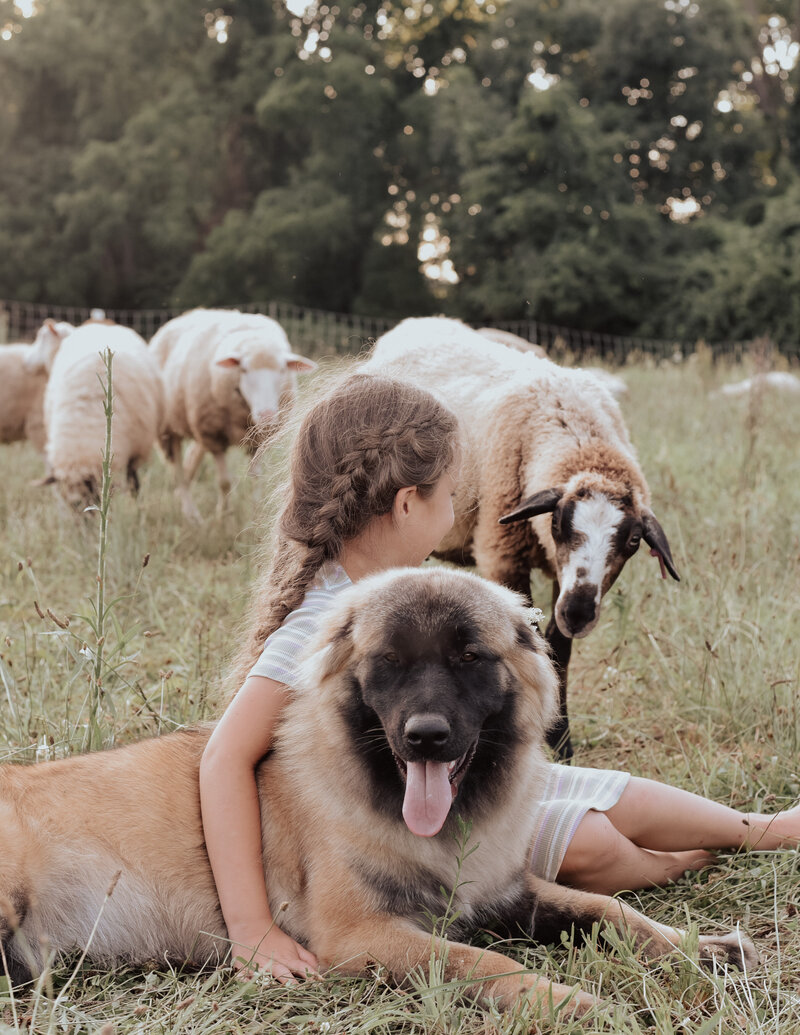
Estrela Mountain Dog Temperament Explained: Guardian Instincts vs Family Life

Estrela Mountain Dog temperament is defined by independent judgment, guardian tendencies, and a strong sense of responsibility for people and place. Guardian instincts shape how these dogs observe, assess, and respond to the world, which is why success in family life depends on boundaries and structure rather than friendliness or obedience.
This breed does not operate on people-pleasing behavior or constant engagement. This is not a hype piece, a pro-and-con list, or a reassurance article. It explains how temperament actually functions in daily life.
Estrela Mountain Dog Temperament: Quick Reality Check
| Topic | What Serious Owners Need to Understand |
|---|---|
| Core Temperament | Independent, observant, emotionally restrained, judgment-driven |
| Guardian Instincts | Assessment before action, threshold-based responses, protective presence |
| Aggression | Not a breed trait; issues come from unmanaged responsibility and weak boundaries |
| Bonding Style | Deep loyalty to one household, slow trust development, subtle attachment |
| Affection Level | Present and connected, not needy or attention-seeking |
| Social Behavior | Neutrality is the goal; friendliness is optional |
| Public Behavior | Calm disengagement, ignoring dogs and people, deferring to owner judgment |
| Children & Family | Stable with structure; adults must manage interactions and boundaries |
| Adolescence | Often energetic, impulsive, and boundary-testing before maturity |
| Training Approach | Structure, clarity, and leadership over obedience drills |
| Common Owner Mistakes | Over-socializing, allowing unchecked decisions, no off-switch |
| Environment Fit | Works in busy or quiet settings when boundaries are clearly taught |
| What Success Looks Like | Calm observation, reliable disengagement, trust in owner leadership |
| Not a Good Fit If… | You want constant friendliness, eager obedience, or self-managing calm |
What “Temperament” Really Means in a Guardian Breed
Temperament vs Training
Temperament exists before training ever begins. It reflects how a dog processes information, handles stress, and decides when to act. Training can shape expression and channel behavior, but it does not replace instinct. You can influence how an Estrela responds to situations by providing structure, guidance, and clear expectations. You cannot train away independence, discernment, or protective awareness.
Obedience does not override instinct in a guardian breed. When a situation feels relevant, an Estrela evaluates it first and responds based on judgment, not reflex. Owners who understand this work with temperament instead of trying to suppress it.
Guardian Temperament vs Companion Temperament
Guardian temperament prioritizes decision-making over compliance. Estrelas observe their environment constantly and engage only when something crosses a threshold. Companion breeds often seek interaction and direction, while guardian breeds value responsibility and assessment.
Key differences include:
- Decision-making instead of automatic compliance
- Observation instead of constant engagement
- Responsibility for space and people instead of sociability
These differences explain why expectations based on companion breeds often fail with Estrelas.
Why Estrelas Are Often Misread
Many Estrelas get misunderstood because their calm presence does not match common dog stereotypes. Owners unfamiliar with guardian breeds may mistake calm behavior for laziness. Emotional reserve can look like aloofness when compared to more expressive breeds. Watchfulness often gets mislabeled as dominance when it is actually situational awareness.
These misinterpretations lead to incorrect handling choices. When owners push for engagement or obedience instead of clarity, problems follow.
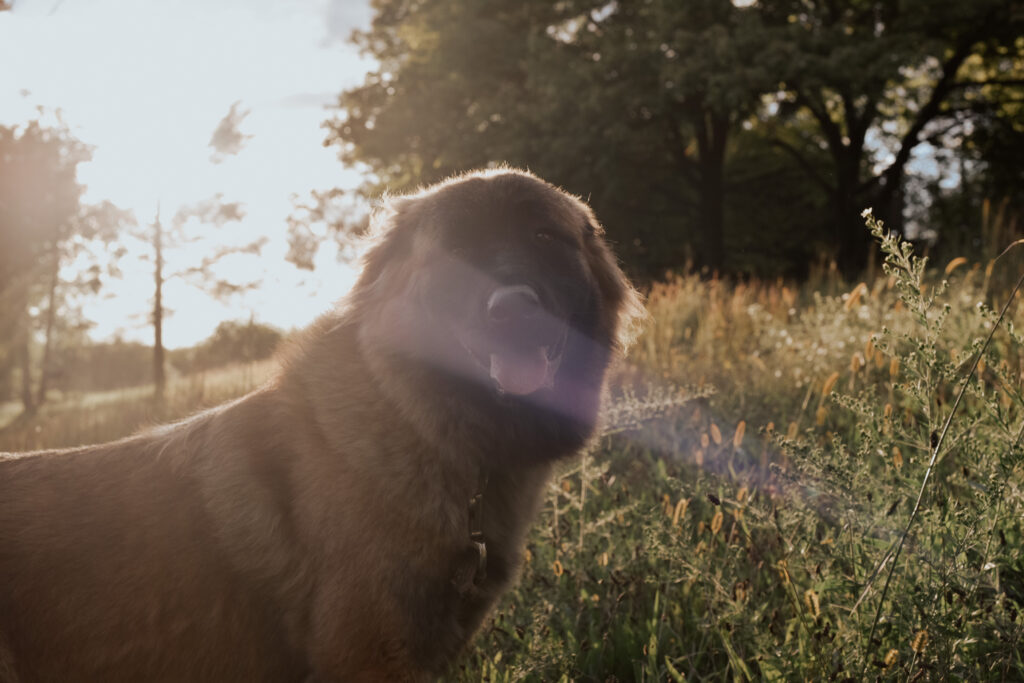
Core Estrela Mountain Dog Temperament Traits
Independence as a Feature, Not a Flaw
Estrelas do not wait for permission because they were developed to act without constant human input. For generations, these dogs protected livestock and property in environments where immediate human direction was not available. Independent judgment allowed them to assess threats and respond appropriately.
In modern homes, independence shows up as thoughtful behavior. The dog watches, evaluates, and chooses when to move closer or stay put. Owners who respect this trait find it easier to guide behavior without conflict.
Emotional Reserve and Stability
Estrelas rarely overreact. Emotional control supports effective guarding because it prevents impulsive responses. Instead of escalating quickly, the dog gathers information and remains steady. This stability helps them distinguish between routine activity and genuine concern.
For many owners, this emotional restraint feels unfamiliar. The dog may not display excitement, anxiety, or affection openly. Over time, owners learn that steadiness signals confidence and trust, not detachment.
Territorial Awareness
Territorial awareness in an Estrela involves mental mapping rather than constant patrolling. The dog learns what belongs within its responsibility and monitors changes closely. Boundaries matter more than total space because they define where responsibility begins and ends.
When limits remain unclear, responsibility expands. Without boundaries, the dog feels accountable for everything it can see or hear, which increases vigilance. Clear physical and behavioral boundaries allow the dog to relax and maintain balance.
Guardian Instincts Explained Without Hype
What Guardian Instincts Actually Are
Guardian instincts in a mature Estrela Mountain Dog center on assessment rather than immediate action. These dogs evaluate situations before deciding whether involvement is necessary. They rely on thresholds, not impulses. Most of the time, presence alone does the work. The dog positions itself, watches closely, and remains available without stepping in.
This protective presence matters more than constant intervention. An Estrela does not rush toward every sound or movement, but it will patrol boundaries. It monitors changes in the environment and responds only when something it determines meaningful enters its boundaries. This restraint allows the dog to remain calm and reliable rather than reactive.
Guardian instincts typically include:
- Assessment before action
- Responses triggered by clear thresholds
- Presence and positioning instead of constant engagement
Alertness vs Reactivity
Alertness looks calm and controlled. The dog watches, listens, and tracks movement without emotional escalation. Reactivity looks different. It involves rapid responses, heightened arousal, and difficulty settling once the stimulus passes.
Barking, positioning, and watching are normal parts of guardian behavior. These actions communicate awareness and readiness. Concern arises when the dog cannot disengage, escalates quickly without clear cause, or struggles to recover after the situation ends. At that point, the issue is not instinct itself, but how responsibility has been managed.
Understanding the difference helps owners respond appropriately rather than overcorrecting normal behavior.
How Owner Behavior Shapes Guardian Expression
Owner behavior plays a significant role in how guardian instincts express themselves. Clear leadership reduces intensity by providing guidance about what matters and what does not. When rules remain consistent, the dog does not feel the need to fill gaps.
Unclear expectations increase responsibility. Without structure, the dog assumes it must handle more situations on its own. Structure calms instinct because it defines roles, limits, and priorities. When the dog trusts that the owner will manage decisions, it can relax into a supportive role rather than staying on constant alert.
Estrela Mountain Dog Temperament in Family Life
Bonding With Immediate Family
Estrelas bond deeply with their immediate family, but that bond develops slowly. Loyalty focuses on one household rather than extending broadly. Trust builds through consistency, predictability, and shared routine rather than through constant interaction.
Attachment shows up in subtle ways. The dog stays nearby, tracks movement, and positions itself in spaces where it can observe the household. This quiet presence reflects commitment and awareness rather than emotional distance.
Living With Children
Success with children depends more on structure than on age. Estrelas do best in calm environments where adults set and enforce rules. Predictable routines help the dog understand what behavior to expect from children and when to remain at ease.
Chaotic settings with loud play, inconsistent boundaries, or unmanaged interaction increase stress. Teaching children how to respect space, avoid rough handling, and follow household rules supports a stable relationship. When adults lead clearly, the dog remains steady and reliable.
Extended Family and Familiar Guests
Familiarity develops through repetition and predictability, not through forced interaction. Estrelas learn who belongs through regular exposure and consistent behavior. This process differs from socialization that pushes friendliness or engagement.
Tolerance looks calm and neutral. The dog allows presence without seeking attention or offering affection. Over time, familiar guests become part of the environment rather than something that requires monitoring. This measured acceptance reflects discernment, not indifference.
Strangers, Visitors, and Public Spaces
Natural Suspicion Explained
Natural suspicion is a functional trait in an Estrela Mountain Dog temperament, not a behavior problem. The goal is neutrality. A neutral dog notices strangers without feeling the need to engage, approach, or retreat. Friendliness is not required for stability, and expecting it often creates unnecessary pressure.
Estrelas decide who matters based on patterns, context, and owner cues. Repeated calm exposure, consistent routines, and clear leadership teach the dog what belongs in its environment. When the dog understands that unfamiliar people do not automatically require action, vigilance decreases.
Key points to understand:
- Neutral behavior supports calm decision-making
- Friendliness is optional, not a requirement
- Familiarity develops through consistency, not forced interaction
Public Behavior With Owners
In public, success looks like ignoring other dogs and people. Estrelas do not need to greet, investigate, or interact to demonstrate good behavior. Calm walking, relaxed posture, and focus on the handler indicate stability.
Engagement is often mistaken for progress. Encouraging interaction can increase vigilance and teach the dog that every presence requires evaluation. Teaching neutrality allows the dog to move through public spaces without feeling responsible for everything around it.
Effective public behavior includes:
- Passing people and dogs without reaction
- Maintaining awareness without fixation
- Responding calmly to owner guidance
Visitor Management at Home
Visitor management begins before anyone arrives. Structured introductions reduce uncertainty and prevent escalation. Clear routines help the dog understand what to expect and where to position itself.
Physical management tools such as leashes, gates, or designated resting areas support clarity. These tools do not signal failure. They provide structure while the dog learns appropriate responses. Preparation matters more than correction because it prevents confusion rather than reacting after stress builds.
How Temperament Changes With Age
Puppy Temperament Foundations
Early temperament development centers on observation rather than engagement. Puppies learn by watching their environment and noting patterns. Exposure should introduce new experiences without overwhelm. Short, calm encounters build confidence and reduce unnecessary arousal.
Early boundary learning helps puppies understand limits and expectations. Clear rules create safety and prevent decision overload during development.
Adolescence and Temperament
Adolescence brings increased independence and testing of limits. Guarding awareness often emerges as the dog becomes more conscious of space, people, and routine. This phase can feel challenging, but it reflects normal development rather than failure.
Consistency matters most during this stage. When rules remain stable, the dog learns that leadership is reliable. Inconsistent handling increases responsibility and stress. Adolescents can be make impulsive decisions and be quite full of themselves. This tends to be the least favorite Estrela Stage.
Adult Maturity
With maturity, Estrelas settle into emotional steadiness. Responses become predictable, measured, and less hasty. The dog no longer reacts to every change but evaluates situations calmly. They may get more determined to not allow predators such as stray dogs or coyotes into their environment especially if livestock or children are present.
Judgment and restraint deepen over time. An adult Estrela understands its role and trusts its environment, which allows it to remain present without constant vigilance.
Temperament Problems That Are Actually Management Problems
Over-Socialization and Overexposure
One of the most common mistakes with Estrela Mountain Dogs is constant social exposure without purpose or structure. Encouraging frequent interaction with people and dogs teaches the dog that everything requires evaluation. This works against the breed’s natural ability to remain neutral.
Engagement and neutrality are not the same. Engagement pulls the dog outward and increases responsibility. Neutrality allows the dog to observe without reacting. When exposure lacks limits, vigilance increases and the dog stays mentally “on duty” far more than necessary.
Over time, this pattern can create:
- Difficulty disengaging in public
- Increased monitoring of people and dogs
- Heightened alertness without clear cause
Lack of Boundaries
Boundaries provide clarity. When young Estrelas receive too much freedom too early, they take on decisions they are not prepared to manage. This decision overload creates stress and confusion rather than confidence.
Without clear limits, responsibility expands. The dog begins to monitor spaces, people, and movement continuously. What looks like confidence often masks pressure. Boundaries reduce that pressure by defining roles and expectations.
Common boundary-related issues include:
- Guarding behavior driven by uncertainty
- Difficulty settling or relaxing
- Inconsistent responses to familiar situations
Treating Estrelas Like Companion Breeds
Applying retriever-style logic to an Estrela creates conflict because it ignores how the breed is meant to think. Companion breeds often thrive on repetition, praise, and people-pleasing. Estrelas do not. Expecting overt affection, constant engagement, or eager obedience pushes the dog into roles it was never designed to fill and creates unnecessary tension.
People-pleasing expectations shift the dog’s focus away from judgment and toward approval. That shift weakens the traits that make the breed stable and reliable. An Estrela should be taught to defer to its owner’s judgment at all times, but they are not going to seek constant validation, like a Border Collie type dog might.
Is This Temperament Right for Your Lifestyle?
Homes That Thrive With Estrela Temperament
Homes that succeed with this breed share a sense of structure and intention. Predictable routines help the dog understand when to remain alert and when to relax. Calm leadership provides guidance without pressure. Defined territory gives the dog clarity about responsibility.
These homes typically offer:
- Consistent daily patterns
- Clear expectations and follow-through
- Physical and behavioral boundaries
Homes That Often Struggle
Highly social environments often overwhelm Estrela temperament. Constant visitors, frequent activity, and unpredictable schedules blur the line between normal and concerning. Owners who seek visible affection or obedience often feel disappointed because the breed expresses connection quietly.
Homes that struggle most often include:
- Owners who mistake constant alertness for good protection rather than unmanaged responsibility
- Owners who do not teach clear boundaries around what the dog can and cannot manage
- Dogs that are not taught an off-switch or how to disengage
- Situations where the dog is allowed to make unchecked decisions
- Households that tolerate unnecessary guarding or barking in public
Honest Self-Assessment
Choosing an Estrela requires self-awareness. Owners need to feel comfortable living with independence rather than control. Reserve should feel reassuring, not distant. Management should feel purposeful, not restrictive.
Ask yourself:
- Am I comfortable with a dog that thinks independently?
- Can I respect that this dog will never have a Golden Retriever Personality?
- Am I willing to manage environments instead of micromanaging behavior?
Clear answers protect both the dog and the household.
What Living With an Estrela Feels Like Long-Term
Daily Life Rhythm
Life with an Estrela Mountain Dog changes over time, and adolescence is not quiet. Young Estrelas often go through a period of increased energy, impulsiveness, and boundary testing. They may pace, push limits, ignore cues, and appear restless even when their basic needs are met. This phase reflects a developing guardian learning how to manage responsibility, not a failure in temperament.
As maturity develops, energy becomes more purposeful. Movement shifts from scattered to intentional. The dog learns when activity is appropriate and when to settle. Quiet presence is an adult trait that emerges with time, structure, and consistency, not something owners should expect early on.
Emotional Relationship
The emotional relationship evolves alongside maturity. Early on, trust builds unevenly. Adolescents may appear contradictory, alternating between closeness and independence. This is normal. Estrelas do not offer constant reassurance during this phase, and owners should not expect emotional smoothness right away.
With consistent leadership, the relationship stabilizes. Trust forms without demand. Partnership replaces control. Over time, respect becomes mutual, and communication grows clearer without constant correction or engagement.
Why Long-Term Owners Stay Loyal to the Breed
Long-term owners stay because what emerges after maturity is difficult to replace. Stability develops gradually. Reliability grows from shared experience, not early obedience. Deep mutual understanding forms once the dog has learned its role and trusts its environment.
Owners who work through adolescence with patience and structure often describe adulthood as balanced and deeply rewarding, not because the dog is passive, but because judgment replaces impulse.
Frequently Asked Questions About Estrela Mountain Dog Temperament
Are Estrela Mountain Dogs aggressive?
No. A well-managed Estrela is not aggressive. The breed is naturally alert and discerning, which is often misread as aggression. Problems arise when dogs are allowed to make unchecked decisions, guard unnecessarily, or stay in a constant state of responsibility without clear boundaries. Aggression is not a breed trait. Poor management creates behavior issues.
Are Estrela Mountain Dogs good family dogs?
Yes, when the family provides structure, leadership, and boundaries. Estrelas bond deeply with their household and remain steady around familiar people. They are not chaotic, attention-driven, or overly social, which means family life works best when expectations are calm and consistent rather than busy and unstructured.
Are Estrela Mountain Dogs good with children?
They can be excellent with children when adults manage interactions and teach clear rules. Estrelas do best in homes where children are taught to respect space, avoid rough play, and follow household boundaries. Age matters less than structure. Unmanaged chaos is what creates stress, not children themselves.
Do Estrela Mountain Dogs like strangers?
They do not need to. Neutrality is the goal. Estrelas assess unfamiliar people calmly and remain observant rather than friendly or reactive. Friendliness is not a requirement for stability in this breed. Repeated, predictable exposure builds familiarity over time.
Why does my Estrela bark at dogs or people in public?
This usually indicates unclear boundaries, not aggression. When a dog has not been taught to ignore irrelevant stimuli or disengage on cue, it may assume responsibility for managing public spaces. Teaching neutrality, an off-switch, and deferring to the owner’s judgment resolves most public barking issues.
Can Estrela Mountain Dogs live in busy or social environments?
Yes, when boundaries are clearly taught. Estrelas have successfully worked as event guardians and in high-traffic settings when they understand what they are responsible for and what they should ignore. Problems arise when dogs are expected to manage everything without guidance.
Do Estrela Mountain Dogs need a lot of socialization?
They need structured exposure, not constant interaction. Over-socialization often creates vigilance rather than confidence. Estrelas benefit from learning how to remain neutral and disengaged rather than greeting every person or dog they encounter.
Are Estrela Mountain Dogs obedient?
They are cooperative, not obedient in the traditional sense. Estrelas prioritize judgment over reflexive compliance. They should be taught to defer to their owner’s decisions, not to perform commands automatically without context.
Is this breed suitable for first-time dog owners?
It depends on mindset, not experience. First-time owners who are calm, consistent, and willing to learn boundary-based handling often do well. Owners who expect eager obedience, constant affection, or easy management usually struggle.
Why does my Estrela seem calm one moment and difficult the next?
Adolescence brings energy spikes, boundary testing, and impulsiveness. This phase is normal. Quiet steadiness develops with maturity, structure, and time. Expecting adult behavior from a young Estrela leads to frustration.
Can temperament problems be trained out of an Estrela?
Temperament cannot be removed, but it can be guided. Training should focus on structure, clarity, and management rather than suppression. When owners provide leadership and boundaries, temperament expresses itself in stable, reliable ways.
What does success with an Estrela Mountain Dog actually look like?
Success looks like a dog that observes without overreacting, disengages when guided, and defers to its owner’s judgment. It does not look like constant friendliness, nonstop obedience, or emotional dependence.
Final Perspective: Guardian Instincts and Family Life Can Coexist
Estrela Mountain Dog temperament is intentional, but it develops over time. Guardian instincts do not prevent family bonding, and they do not eliminate adolescent chaos. Success depends on guiding the dog through development rather than expecting early calm.
Structure matters more than suppression. When owners provide boundaries, consistency, and leadership through adolescence, guardian instincts and family life begin to support each other instead of competing.
Estrela Mountain Dog temperament balances independence, restraint, and loyalty over time. With clear boundaries and steady leadership, guardian instincts mature into judgment, allowing family life and protection to coexist.
Related Reading for Estrela Owners
- Estrela Mountain Dog Puppies for Sale
What responsible placement looks like and how we match puppies to homes - How We Raise Estrela Mountain Dog Puppies
Our structure, boundaries, and development philosophy from birth to placement - Estrela Mountain Dogs Ownership: What serious owners need to know.
- Training an Estrela Mountain Dog: Leadership, Boundaries, and Trust
Why relationship-based handling works better than obedience-driven methods - Are Estrela Mountain Dogs Good Family Dogs?
An honest breakdown of household fit, children, and daily life - Estrela Mountain Dog Temperament Explained
Calm, reserve, protection, and how judgment develops over time - Choosing the Right Livestock Guardian Dog for Your Property
When an Estrela is the right choice and when another LGD may fit better - What to Expect From an Adult Estrela Mountain Dog
Long-term ownership realities beyond puppyhood
Sources & Further Reading
- Fédération Cynologique Internationale (FCI) – Estrela Mountain Dog Breed Standard
https://www.fci.be/en/nomenclature/ESTRELA-MOUNTAIN-DOG-173.html - Clube Português de Canicultura (Portuguese Kennel Club)
https://www.cpc.pt - Coppinger, R. & Coppinger, L. – Dogs: A Startling New Understanding of Canine Origin, Behavior & Evolution
https://press.uchicago.edu/ucp/books/book/chicago/D/bo3612640.html - USDA – Livestock Guardian Dogs: Behavior & Management
https://www.nal.usda.gov/legacy/animal-production/livestock-guardian-dogs - American Veterinary Society of Animal Behavior (AVSAB) – Socialization & Behavior Statements
https://avsab.org/resources/position-statements/
Comments +